
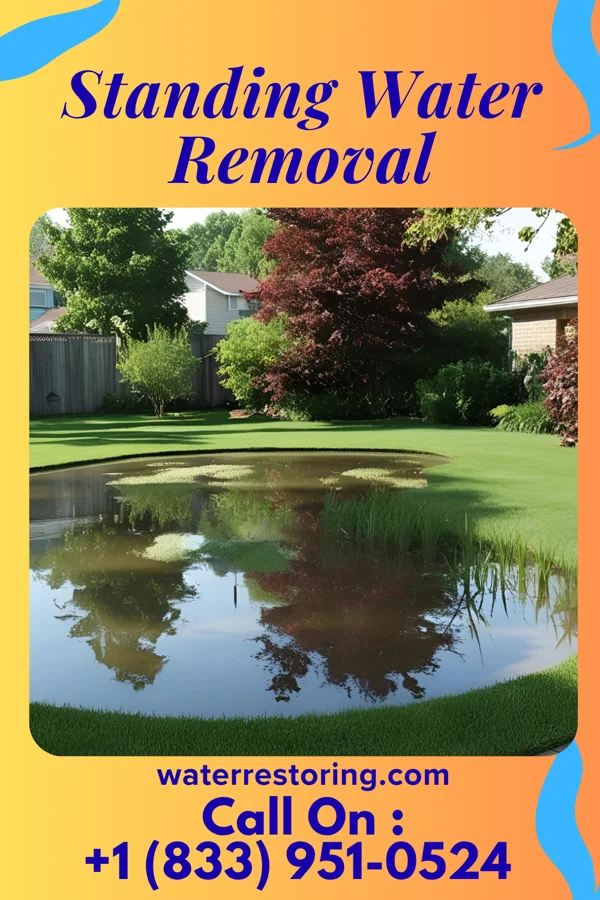
Standing Water Across Sanford Neighborhoods
Every neighborhood in Sanford has a different water damage risk profile. The one that shows up on most restoration calls is In Sanford, Maine, the primary water damage cause is often due to burst pipes, especially during the colder winter months when frozen pipes are common. Additionally, heavy spring rains can lead to basement flooding, particularly in older homes with inadequate drainage systems.. A close second is Secondary causes include sewer backups, roof leaks from storms, and groundwater seepage into basements. These issues are exacerbated by the region's high precipitation levels and the presence of numerous waterways nearby..
Sanford's climate, characterized by cold winters and frequent rainfall, increases the risk of water damage. The proximity to coastal areas also means that storm surges and high tides can contribute to flooding in low-lying areas.
Water damage in Sanford follows a few local patterns. In Sanford, Maine, the primary water damage cause is often due to burst pipes, especially during the colder winter months when frozen pipes are common. Additionally, heavy spring rains can lead to basement flooding, particularly in older homes with inadequate drainage systems. accounts for the bulk of our calls. Sanford's climate, characterized by cold winters and frequent rainfall, increases the risk of water damage. The proximity to coastal areas also means that storm surges and high tides can contribute to flooding in low-lying areas. Mold growth in Sanford can occur rapidly due to the region's high humidity and frequent rainfall. Prompt water damage restoration is crucial to prevent mold from spreading and causing long-term health and structural issues.